by: Marianna Monheim
A student information sheet for parents keeps back-to-school information from turning into a scavenger hunt.
The first few weeks come with supply lists, transportation notes, allergy concerns, dismissal changes, and parent emails that somehow always show up right when the laptop should be closed. A simple form gives families one organized place to share what teachers need to know early.
The TL;DR for Busy Teachers
- A student information sheet helps teachers gather important details quickly
- Parents appreciate having one organized place to share concerns and routines
- These forms improve communication during the hectic first weeks of school
- They help teachers build stronger classroom relationships early
- A printable, parent-friendly version saves time and reduces repeated emails
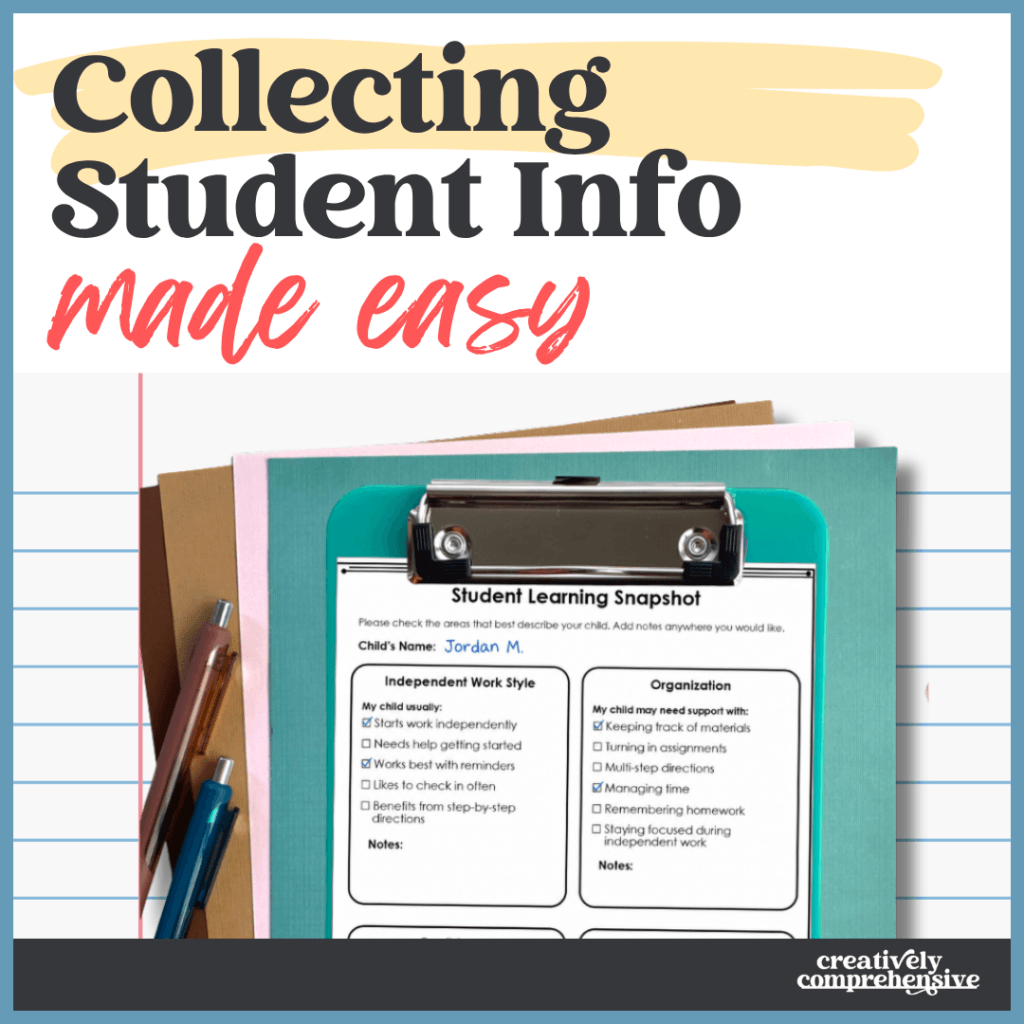
Table of Contents
Sticky notes are not a student information system.
Neither are scattered emails, hallway comments, or the “just so you know…” moments teachers try to remember while meeting 25 new families.
A simple student information sheet gives teachers one cleaner place to collect the details families already want to share.
Why Teachers Need a Student Information Sheet for Parents
A student information sheet for parents gives families one easy place to share details that actually matter in daily classroom life.
And no — I’m not talking about endless registration paperwork the office already collects.
This is different.
These forms help teachers understand the real-life side of a student before problems happen.
Information Teachers Actually Need
Parents often want to share things like:
- Preferred names or nicknames
- Family communication preferences
- Student strengths and interests
- Anxiety triggers or learning concerns
- Important home situations teachers should know about
They just don’t always know when or how to share them.
A simple form removes that awkwardness.
Back-to-School Communication Gets Easier
The first month of school is basically controlled chaos.
Especially in elementary classrooms.
One minute you’re labeling folders, the next minute someone’s parent is emailing because their child cried during lunch and forgot where to line up for specials.
A well-designed parent information sheet helps reduce confusion before it starts.
Here’s What It Helps With:
- Communication gaps: families share preferred contact methods
- Student concerns: teachers can plan ahead and consider groupings, solving problems before they happen
- Relationship building: teachers learn about their students quickly
What Are Some Different Things to Ask on Student Information Forms?
Parents fill out a lot of forms for the school at the beginning of the year. If your school already collects and shares important info about emergency contacts, health, or dismissal routines, make your forms worth filling out by taking a different approach.
Here are some things that you might want to know at the beginning of the year about your students:
Independent Work Style
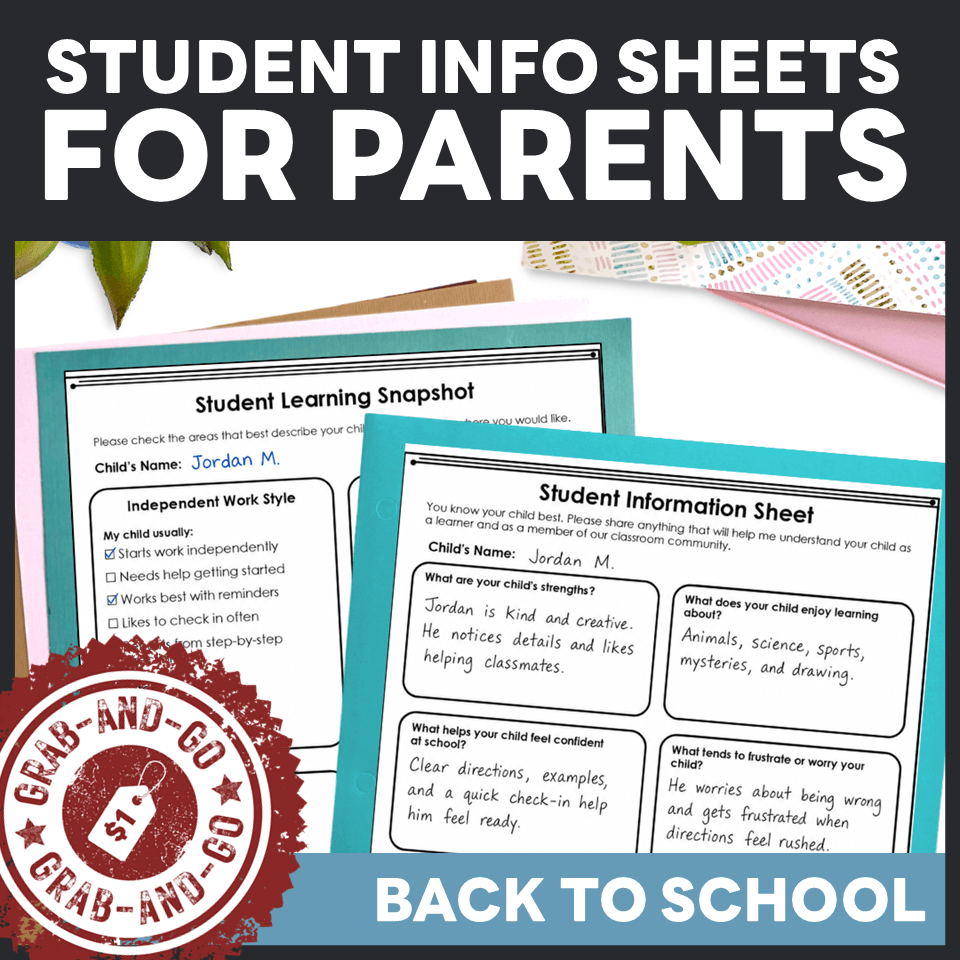
This helps teachers see whether a student usually starts work independently, needs help getting started, works best with reminders, checks in often, or benefits from step-by-step directions.
Organization
This section gives families a simple way to flag support needs with materials, assignments, multi-step directions, time management, homework, or staying focused during independent work.
Confidence
A confidence section can help teachers understand how a student tends to participate at school. Some students jump right in. Others need time to warm up, worry about being wrong, or need encouragement before sharing.
Peer Relationships
This section helps teachers learn how a student works with classmates. Parents can share whether their child makes friends easily, works well with partners or groups, prefers working alone, or may need support with social skills or choosing partners.
Each section can include quick checkbox options plus a notes area, so families can give helpful information without feeling like they need to write a full essay before school even starts.
People Also Ask
A student information sheet for parents is a back-to-school form teachers use to collect important details about students, including communication preferences, transportation routines, allergies, interests, and learning needs. It can also help teachers build stronger relationships and stay organized during the school year.
Parent information forms help teachers understand students beyond academic records. They improve communication, reduce confusion during the first weeks of school, and help teachers support student needs more effectively.
In addition to collecting necessary info (dismissal routines, emergency contacts, health concerns), consider asking parents to briefly share important info about things such as work ethic, stamina, managing emotions, and more.
Parent questionnaires help elementary teachers learn about students quickly, identify potential concerns early, and create a more supportive classroom environment from the beginning of the year.
Yes. Printable student information sheets help teachers keep important details organized in one place while giving parents an easy way to communicate information without lengthy emails or meetings.
A System to Save You Time
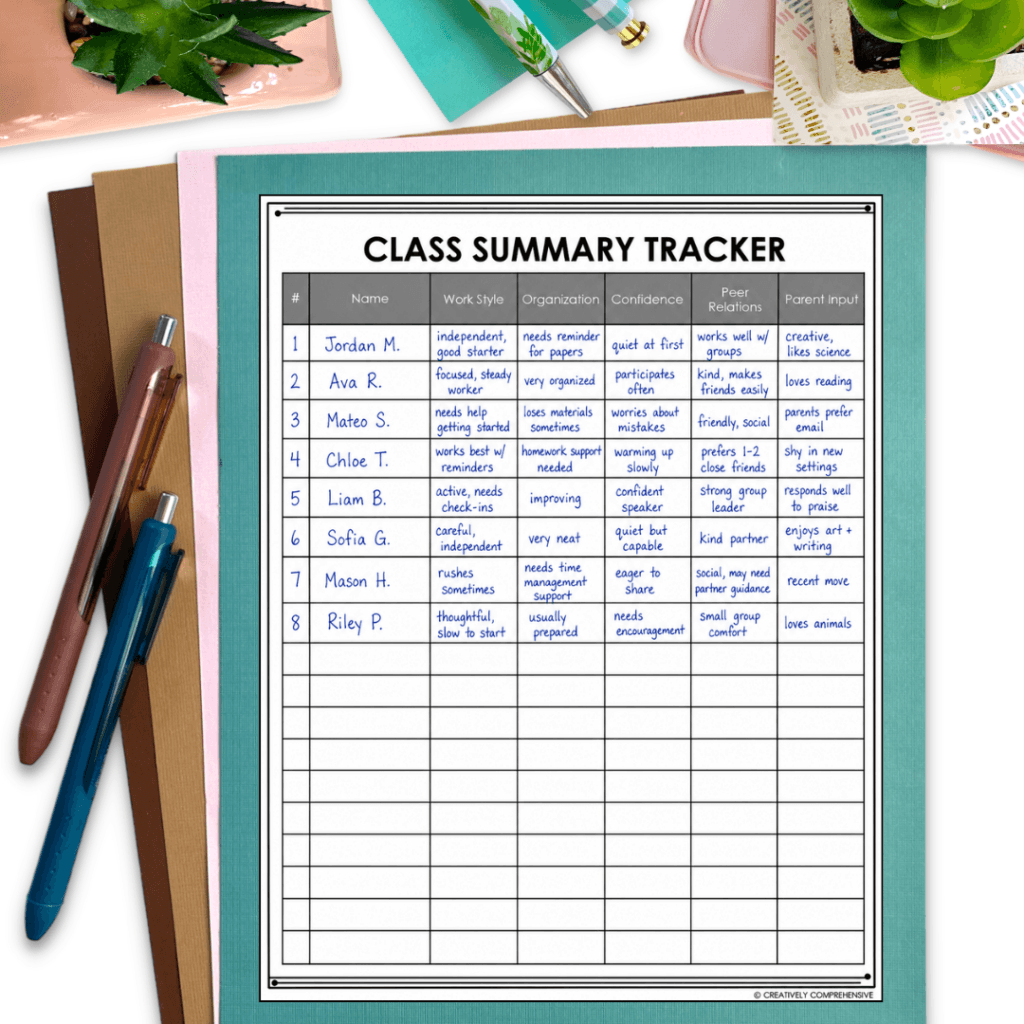
A quick checklist with an optional open-response form will make the beginning of the year much less hectic (and save you from answering dozens of clarifying emails throughout the year). Instead of searching through piles of sticky notes, in agendas, or old alerts from your messaging app, use a tracker and planning sheet to keep track of what parents share. You’ll be thanking yourself later for setting this up.
A Helpful Resource for Busy Teachers
If you’re looking for a ready-to-use option, this student information sheet that parents fill out is designed specifically for elementary classrooms and beginning-of-the-year communication.
It keeps the form simple for parents while helping teachers collect the information they need most: student details, family communication preferences, routines, learning notes, and support information.
Parents are busy during back-to-school season too. The easier the form is to complete, the more likely teachers are to get useful responses.
Use it for Meet the Teacher night, the first week of school, take-home folders, or beginning-of-the-year classroom organization.
Teacher Tips for Getting More Parent Responses
A form only works if families complete it. Here are a few simple ways to increase response rates.
Send It Early
Parents are usually most responsive before the school year gets fully underway. Send the form during Meet the Teacher night or within the first week of school.
Keep It Friendly
Warm wording feels more approachable than formal school language. A parent questionnaire should feel like an invitation to share, not a compliance document.
Explain Why It Matters
Parents are more likely to give thoughtful responses when they understand how the information will be used.
Example:
“This helps me get to know your child and support their first weeks of school.”
Make It Simple to Complete
Most parents aren’t ready to pen a five-paragraph essay about their child on the spot. Consider using a checklist or short-response form to make it easier on busy families.
Mention It During Meet the Teacher Night
A quick reminder goes a long way. Parents are juggling forms, supplies, classroom visits, and possibly a younger sibling trying to climb into a cubby. Say the thing more than once.
FAQs
Most effective parent information sheets are at most one to two pages long. Parents are more likely to complete shorter forms carefully when the questions feel clear, useful, and manageable.
Yes. Some parents prefer email, while others respond faster through classroom apps, phone calls, or text alerts. Knowing communication preferences early helps prevent missed messages and misunderstandings.
Yes. These forms can reveal anxiety triggers, behavior patterns, routines, or support strategies that help teachers respond more effectively. They are not a full classroom management plan, but they give teachers helpful context.
Teachers should send parent information forms during Meet the Teacher night or within the first week of school. Early collection helps teachers use the information while routines, relationships, and communication systems are still being built.