by: Marianna Monheim Updated March 16, 2026
Primary sources are original materials created during the time being studied, such as letters, speeches, photographs, or artifacts. Secondary sources interpret or analyze those original materials, including textbooks, biographies, documentaries, and research articles. Understanding the difference helps students evaluate historical evidence and think like historians.
Table of Contents
The 411 for Busy Teachers:
Primary sources are firsthand accounts or original materials from a specific time period.
Secondary sources analyze, interpret, or summarize primary sources.
Students often confuse the two because some materials (like photographs or interviews) can function as either depending on context.
Teaching clear examples helps students understand how historians investigate the past.
(Get a done-for-you unit that works for grades 3-5 in my TPT store.)
Why Examples Help Students Understand Sources
Primary and secondary sources can blur together fast when students only hear the definitions. Put real examples side by side, though, and the difference starts to make sense much more quickly.
As students compare sources, they begin to see history differently. It is not just a list of facts to remember. It is a process of looking at evidence, thinking critically, and figuring out what it reveals.
Let’s walk through some clear examples:
Primary vs Secondary Source Examples
Source
Type
Explanation
Gettysburg Address
Primary
Speech delivered by Abraham Lincoln during the Civil War
Civil War Textbook Chapter
Secondary
Explains and analyzes the speech
Diary from a WWII Soldier
Primary
Written by someone who experienced the event
Biography of Winston Churchill
Secondary
Written at a later time to analyze his life
Photograph from Woodstock Festival
Primary
Was taken at the time the event happened
Documentary About Woodstock
Secondary
Interprets the event for viewers at a later time
Government Document
Primary
Official document created at the time
Research Article
Secondary
Author analyzing historical event
People Also Ask...
A primary source is something made by a person who lived during a historical event. Examples include photographs, letters, diaries, and artifacts from that time period.
A secondary source explains or talks about a historical event after it happened. Examples include textbooks, biographies, and documentaries.
Yes. If a photograph was taken during a historical event, it is considered a primary source because it shows what happened at that time.

Examples of Primary Sources
Primary sources show what life was like during a historical event.
These are created by people who were there.
Photographs
Photographs taken during an event are primary sources because they show real moments in history.
Example:
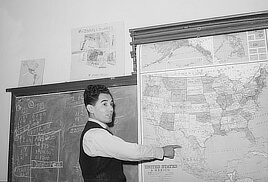
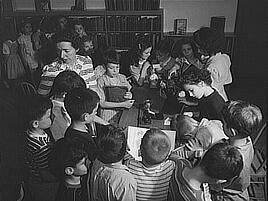
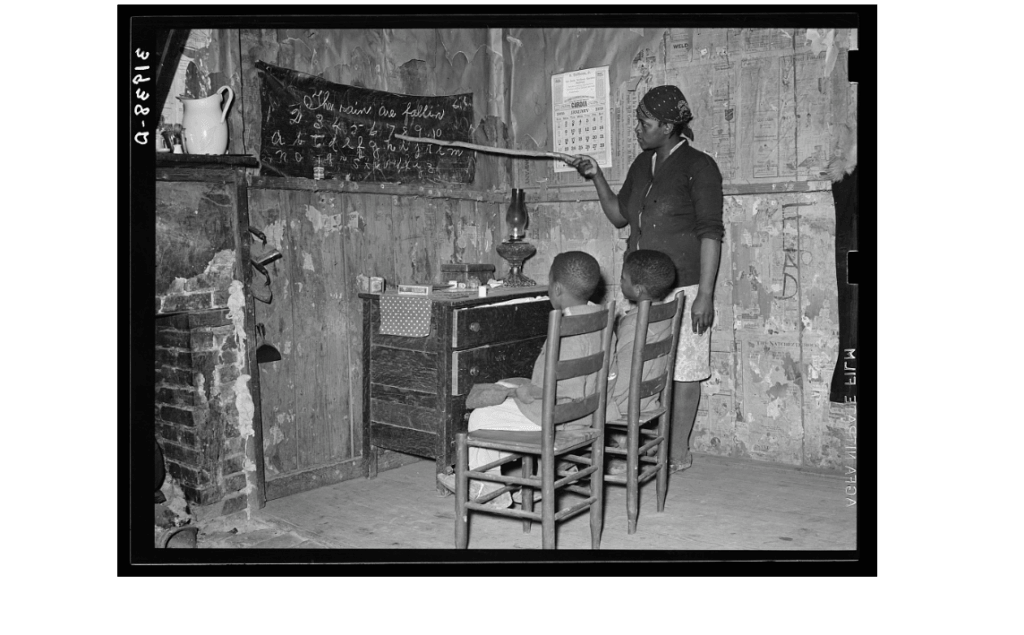
Photos of teachers and students at school in different time periods.
Students can study these photos to compare and contrast what school is like now.
Find primary source photographs (and tons more) on the Library of Congress Free to Use site.
Letters
Letters written in the past help historians understand people’s thoughts and feelings.
Example:
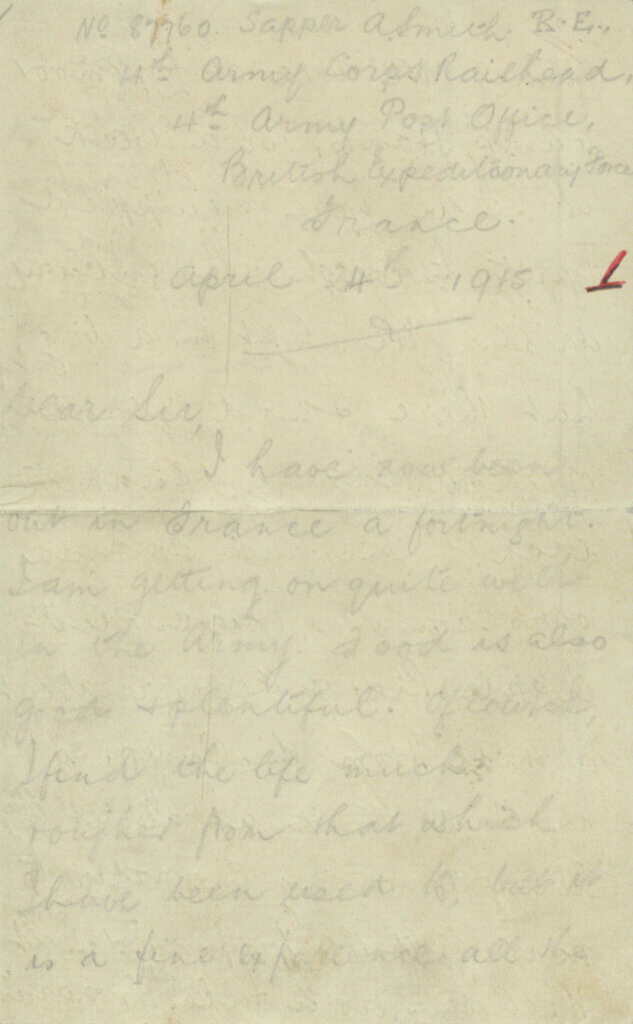
Letters written by soldiers during World War I.
These letters describe what soldiers experienced during the war.
Find more letters (and transcriptions) from WWI in the UK National Archives.
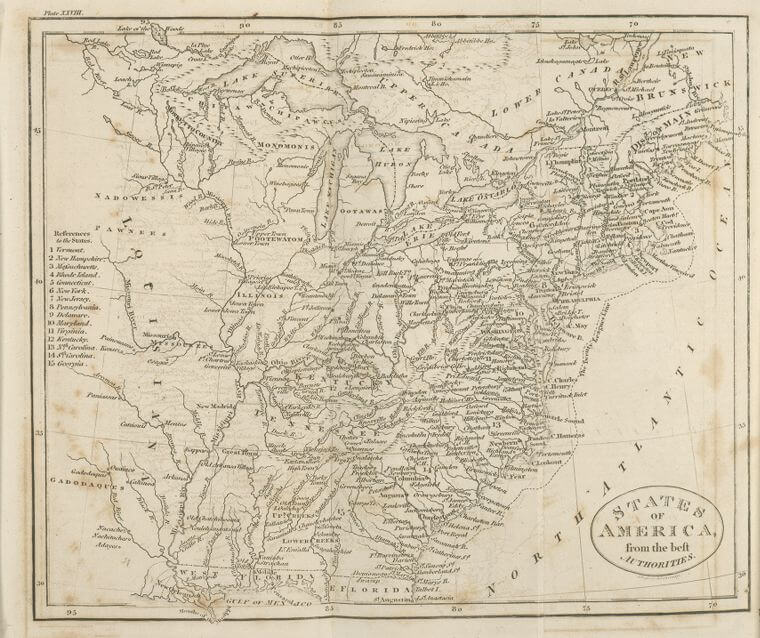
Maps
Maps created during a certain time period are also primary sources.
Example:
A map used by explorers hundreds of years ago.
Maps show how people understood the world at that time.
Find maps (such as this 1812 rendering of the United States) at the New York Public Library site.
Artifacts
Artifacts are objects from the past.
Examples include:
tools
clothing
pottery
coins
Museums often display artifacts to help people learn about history.
Explore the space program up close with images of artifacts from the Smithsonian.
Examples of Secondary Sources
Secondary sources teach us about history by explaining primary sources.
These sources are usually created after the event happened. This is where things can get a little sneaky for upper elementary learners. Secondary sources often sound polished and complete, which makes them easy to mistake for firsthand evidence. That is why students need practice noticing that these sources are helpful, but they are still based on someone else’s research, interpretation, and explanation. Here are some of the most common secondary sources:
Textbooks
History textbooks explain important events and summarize information from many primary sources.
As students get older, they’ll notice their social studies texts will delve deeper into specific topics, for example, American or European History.
Biographies
Biographies tell the story of a person’s life, written by another person.
Example:
A book about Harriet Tubman written by a historian.
The author studies letters, documents, and records to tell the story of how a person lived. If possible, they may also conduct interviews with people who knew the person.
Documentaries
Documentaries explain historical events using photographs, videos, and expert explanations.
Because they interpret history, they are secondary sources.
Why This Matters for Students
Learning about primary and secondary sources helps students become history detectives.
Instead of just reading about history, they learn to:
study evidence
ask questions
compare different sources
understand how historians learn about the past
These skills help students become stronger thinkers and researchers.
Simple Classroom Activity
Try a source sorting activity.
Give students a list of items and ask them to decide whether each one is a primary or secondary source.
Examples:
diary entry
photograph
textbook page
documentary
letter
Students can work in pairs to sort them.
This is a quick and engaging way to practice identifying sources.
Find one, done for you, in my TPT store.